

Film through law. Law through film.
Law on Film podcast explores the rich connections between law and film. While law is critical to many films, films also show how the law is perceived and portrayed. Each episode looks at a different film. What does the film get right about the law? What does is get wrong? And what does the film tell us about the larger social and cultural context in which law operates?
Latest Episode
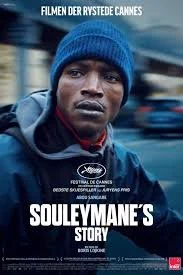
Souleymane’s Story (L’Histore de Souleymane (episode 64)
Guest: Sharon Weill
Souleymane's Story (L’Histoire de Souleymane), directed by Boris Lojkine, is anchored by the powerful performance of Abou Sangaré as a delivery worker from Guinea who is seeking asylum in France. What begins as a story of daily survival becomes a story about the legal and administrative processes governing asylum and the often fragile line between recognition and rejection. The film foregrounds questions of identity, performance, and translation, as Souleymane must shape his story to fit the expectations of the asylum system. More broadly, the film invites reflection on the gap between lived experience and legal categories—as well as what gets lost when human stories are filtered through bureaucratic judgment.


Season 3
Season 2

Season 5
Season 1

Season 4
Seasons

Listen to “Law on Film” on YOUR favorite platform!


